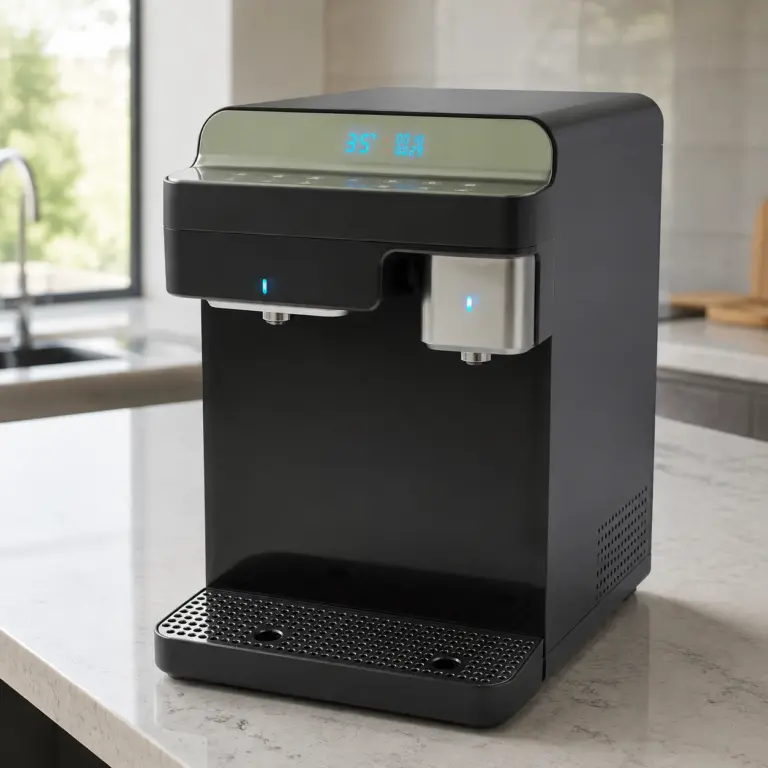



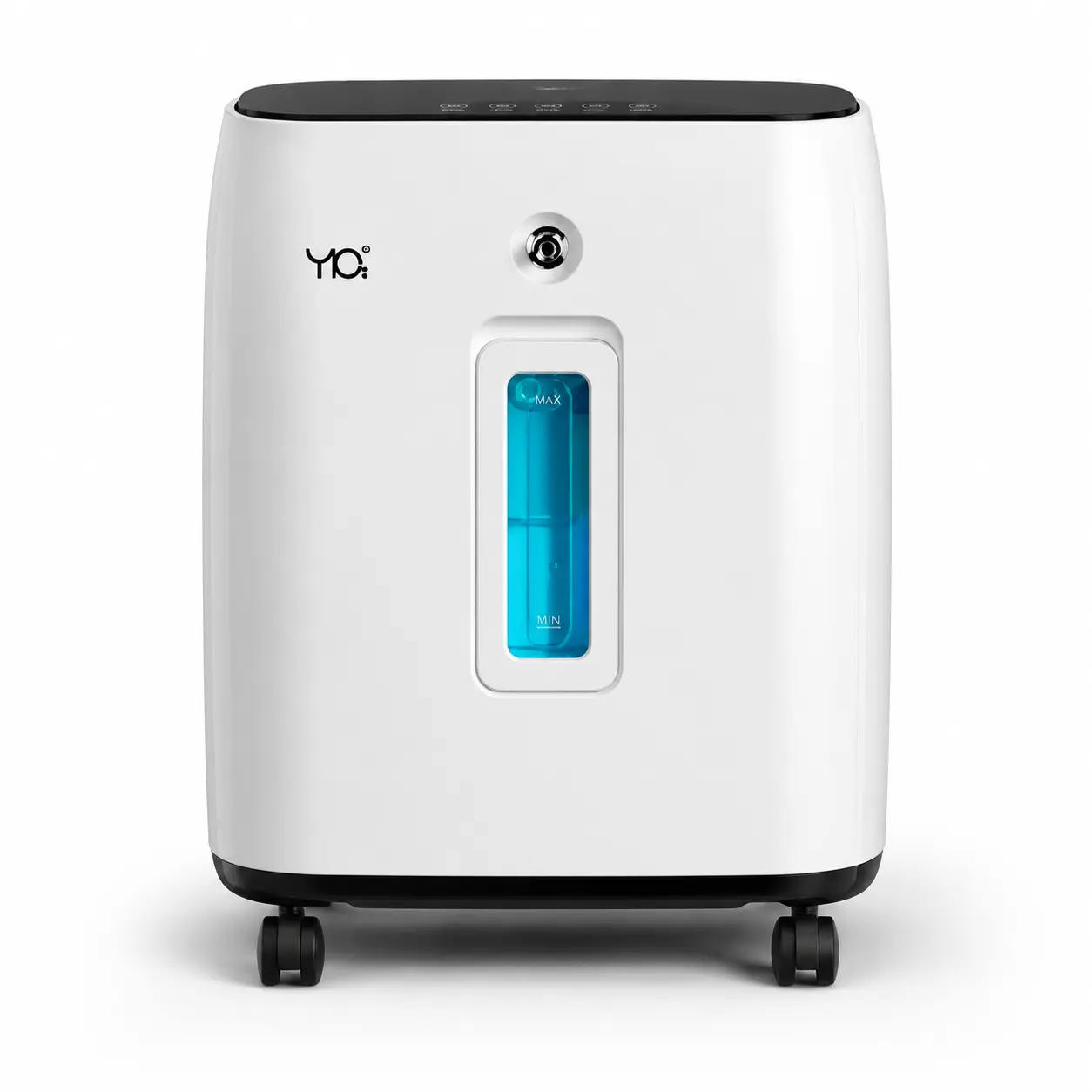
A hypothetical distributor review of candidate models, accessory bundles, packing records, dealer materials, and decisions to proceed or hold.
Illustrative Buyer Scenario — A hypothetical procurement exercise, not a real customer story, testimonial, or report of sales results. Images are illustrative. This article does not recommend equipment for an individual patient or establish market authorization. Model availability, documentation, and commercial terms require confirmation.
Imagine a distributor considering two home oxygen equipment models for a proposed catalogue. Neither model has been approved for the distributor’s release, and no order or launch date has been confirmed. The buyer’s task is to compare the documented offers, identify the work needed to support each one, and decide whether to continue with both candidates or narrow the initial range.
The distributor records the destination, dealer channel, required languages, initial quantity range, and preferred schedule. For this exercise, Model A and Model B are placeholders, not actual NORYLUME model names. They represent two candidates needing separate review rather than an assumed entry-level and premium ranking.
The buyer requests a specification sheet, applicable manual, configuration list, photographs, and available supporting records for each candidate. The comparison preserves the source units, conditions, and document revisions. Missing or conflicting information remains an open question rather than a value copied from the other model.
Fields for review may include the documented delivery mode, output specification, power requirements, dimensions, weight, and included items. The buyer does not infer performance from a model name or use a price tier as a clinical recommendation. Any description of intended use stays tied to the applicable documentation and professional review.
If a sample is requested, the buyer records its version, confirmed contents, review scope, and differences from the proposed order. Sample receipt and appearance checks are not treated as approval of every technical or destination requirement.
Each candidate gets its own itemized contents list. The buyer asks which accessories are included, which are optional, and which need compatibility confirmation. Similar photographs are not used as evidence that parts can be shared between models.
The packing record separates device dimensions and weight from carton measurements, packed weight, and units per carton. Plug versions, manual languages, labels, and branding requests remain visible. A change to the bundle prompts a review of the quotation and packing record rather than an assumption that the original offer still applies.
The distributor asks for the applicable support contacts, written service scope, parts references, and available dealer materials. It records which team receives questions and which decisions require supplier or specialist review. Parts availability, service costs, and proposed response arrangements remain questions until confirmed.
Dealer notes cover how to identify the model, find the current document, confirm the supplied contents, and route a question. They do not introduce improvised operating instructions, repair procedures, or patient-specific recommendations. Public service wording stays within the agreed terms instead of promising universal repair coverage or free replacements.
Use the worksheet below separately for each candidate. These are questions for the hypothetical distributor, not findings about actual equipment. Add the model reference, source files, reviewer, date, and next action to the working record.
| Area | Record to collect | Reason to hold |
|---|---|---|
| Model comparison | Separate specifications and revisions | Values conflict or conditions are missing |
| Sample scope | Sample reference and review notes | Order differences remain unresolved |
| Bundle contents | Item references and confirmed quantities | Compatibility or included items are unclear |
| Packing and language | Packing record and document versions | Required files or artwork are unreviewed |
| Commercial scope | Quotation, quantities, and delivery scope | Costs or timing dependencies are open |
| Support handover | Contacts, parts questions, and agreed terms | Responsibilities are not confirmed |
| Catalogue release | Reviewed copy, images, and decisions | Product or destination review is incomplete |
Record statuses such as Collect information, Review required, Revise, or Ready for the agreed next step. An internally completed worksheet is not a clinical assessment or market approval.
Suppose Model A has a consistent document set for the planned sample review, while Model B still has an unresolved accessory reference and a missing language file. In this hypothetical exercise, the buyer could continue evaluating Model A and hold Model B pending clarification. That is a procurement decision example, not evidence of a completed sale or permission to launch either model.
Before releasing a catalogue, the team checks the actual model names, approved images, confirmed contents, reviewed wording, and inquiry links. It records the final file revision and makes sure dealer materials describe the same offer. Expansion to another model starts a fresh review rather than inheriting the earlier model’s conclusions.
A focused supplier inquiry includes the candidate model list, destination, dealer channel, quantity range, sample needs, bundle requests, languages, preferred schedule, and unresolved questions. Ask which options are confirmed, need review, or require a separate quotation.
Discuss your home oxygen distribution requirements or return to Buyer Guides & Use Cases.
AI support
NORYLUME can help match oxygen and hydrogen equipment by product line, quantity, destination market, certification needs, and OEM requirements.