


A hypothetical retail buying exercise covering model records, sample scope, packaging, listing review, and the decision to proceed or hold.
Illustrative Buyer Scenario — This is a hypothetical procurement exercise, not a real customer story, testimonial, or report of sales results. Images are illustrative. “Wellness” describes a proposed retail category here, not a verified health benefit or regulatory classification. Product availability, suitability for a destination, and commercial terms remain subject to review.
Imagine a retailer considering one hydrogen water device for a new catalogue entry. The buyer has not selected a final model, approved any health claims, or committed to a launch date. The immediate task is to decide what information is needed before requesting a sample and preparing a listing. The steps below show how that buyer could organize the decision without treating assumptions as confirmed product facts.
The buyer starts with a proposed destination, language, sales channel, initial quantity range, and budget for evaluation. In this example, the plan is a catalogue listing with a possible static shop display, not a live-use demonstration. These are planning assumptions, not confirmed supplier options.
If the retailer instead considers hydrogen inhalation equipment, it should start a separate model-specific review. This scenario does not supply operating instructions or establish that another product type can use the same documents, display plan, or wording.
For each candidate, the buyer requests the model reference, specification revision, applicable manual, included items, product photographs, and available supporting records. Proposed numerical statements stay linked to their source, units, and reported conditions. Missing values remain questions rather than estimates added to a comparison sheet.
The buyer then asks what sample can be supplied, what it represents, and which costs and timing need confirmation. A standard sample, customized sample, and packaging proof are recorded separately. The review plan identifies what can be checked against the documents and what needs specialist assessment. Sample receipt alone does not resolve the release decision.
The retailer creates a proposed contents list, then asks the supplier to confirm each item and quantity. It separates the device, power accessories, other included items, optional purchases, and consumables where applicable. A photograph showing several items is not used as the final pack list.
Packaging questions cover the confirmed model name, artwork, document languages, and any proposed private-label changes. Replacement-item availability, compatibility, pricing, and service arrangements are recorded as separate questions. The buyer does not invent maintenance intervals or promise that parts will always be available.
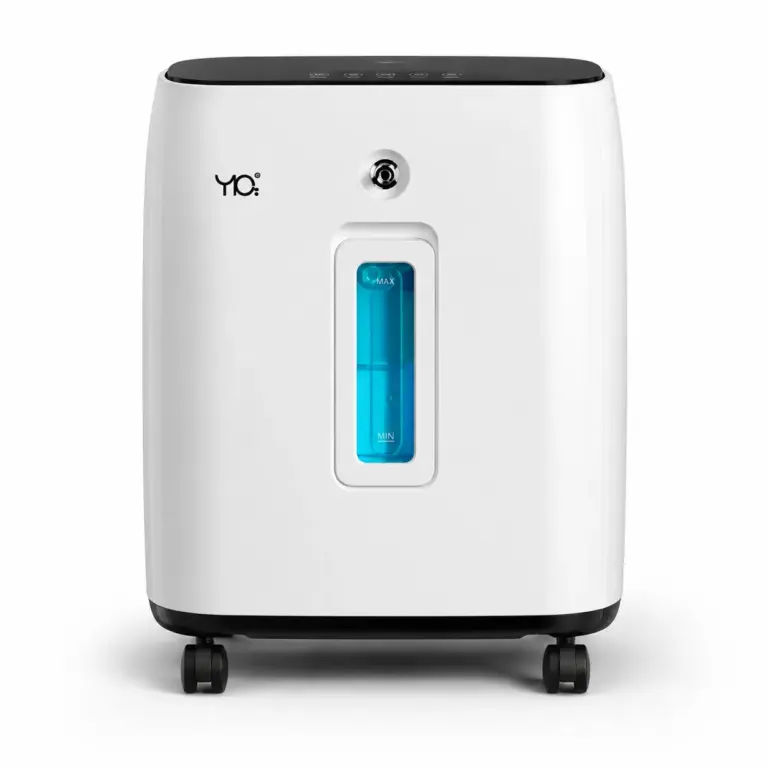
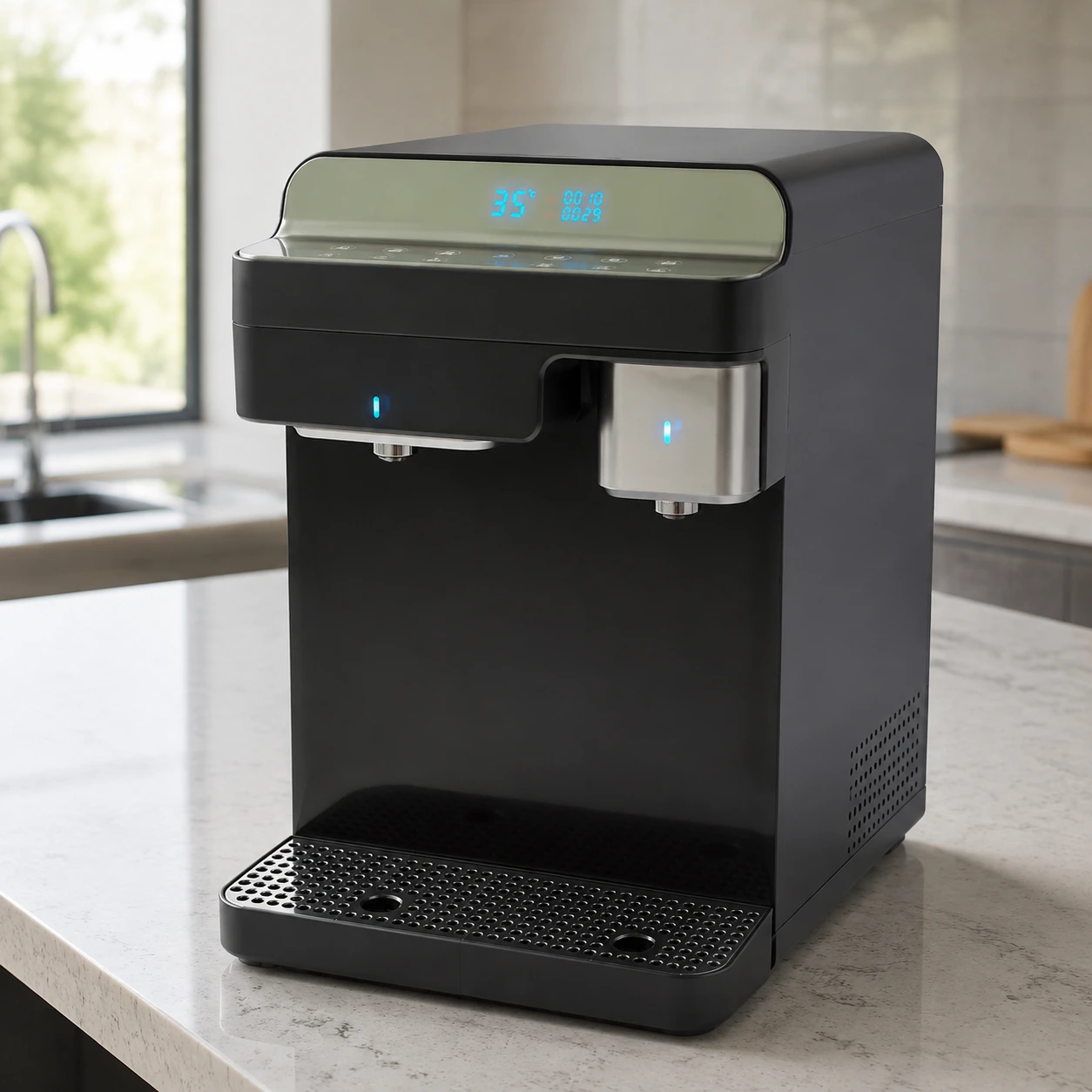
The first listing draft uses the exact model, documented features, confirmed contents, and inquiry route. Product photographs should match the proposed configuration and have an agreed usage scope. Scene images are identified as illustrative, and optional accessories are not presented as included.
Any proposed health, safety, or approval statement goes into a review register with its source and reviewer. The team does not add customer outcomes, expert endorsements, or a disease-related sales pitch to fill gaps in the evidence. Technical questions, destination requirements, and clinical questions are referred to the appropriate qualified reviewers.
For the static display, the buyer records the intended location, space, signage, and product-image needs. A later proposal for a powered or live-use demonstration would require a separate review against applicable instructions and responsible-party requirements; it is not authorized by the catalogue exercise.
The following worksheet contains questions for this hypothetical buyer, not findings about an actual product or completed order. Add the model, source references, owner, review date, and next action to the working record.
| Decision area | Record to collect | Reason to hold |
|---|---|---|
| Model identity | Model and configuration references | Files describe different versions |
| Sample scope | Sample offer and review record | Important differences remain unreviewed |
| Contents and packaging | Confirmed item list and artwork revision | Included items or language files are unclear |
| Listing copy | Draft wording and supporting sources | A proposed statement lacks the required review |
| Images and display | Approved assets and display brief | Images misrepresent the configuration |
| Commercial scope | Quotation, packing, and shipping assumptions | Costs or schedule dependencies are unresolved |
| Support and release | Contacts, agreed terms, and reviewer decisions | Responsibilities or release conditions are unconfirmed |
Use statuses such as Collect information, Review required, Revise, and Ready for the agreed next step. Completing an internal worksheet does not establish product safety, health benefits, or permission to sell in a particular market.
Suppose, for this exercise, that the proposed accessory list is still unconfirmed and the translated manual has not been reviewed. The buyer records those items as open and asks for the missing material before releasing the listing. That is an example of a review decision, not an actual NORYLUME order outcome or a prediction of commercial success.
A focused inquiry would include the candidate model, destination, retail channel, quantity range, sample needs, language requests, proposed packaging changes, and unresolved questions. The buyer asks which options are available, need further review, or require a separate quotation. Preferred dates remain requests until confirmed.
Before any release, the team checks the finished listing, model references, mobile layout, contact links, and staff reference notes. It retains the reviewed file set and reopens the decision if the product, commercial scope, destination, or wording changes.
Discuss your retail catalogue requirements or return to Buyer Guides & Use Cases.
AI support
NORYLUME can help match oxygen and hydrogen equipment by product line, quantity, destination market, certification needs, and OEM requirements.