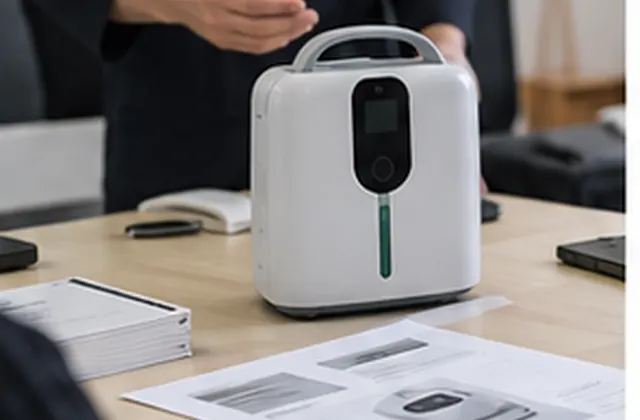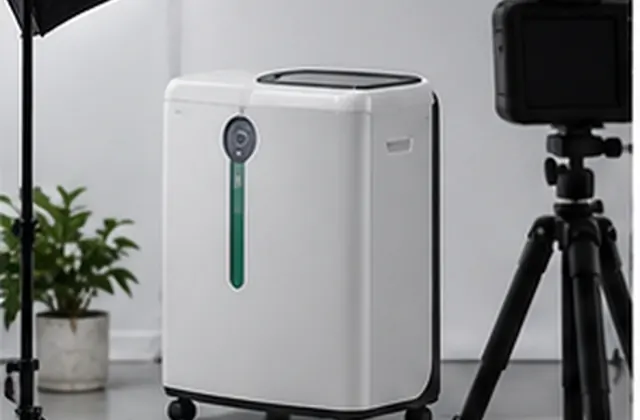



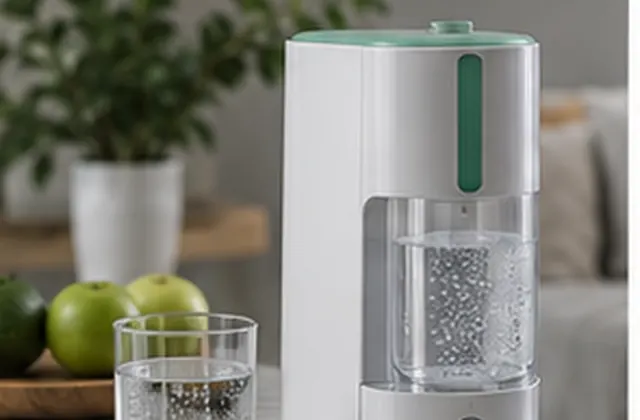
Prepare model-specific sources, reviewed wording, accurate images, and confirmed accessory information before releasing hydrogen equipment channel content.
Procurement Guide — General content-planning guidance for distributors, not a verified customer case study, medical advice, or confirmation of market authorization. Images are illustrative. The term “wellness” here describes the proposed catalogue category, not a verified health benefit or regulatory classification.
Prepare a hydrogen equipment content pack around the exact product being offered. Keep model documents, draft wording, photographs, accessories, and commercial information together so reviewers can see what each statement refers to. This guide helps organize that work; it does not establish device safety, clinical effectiveness, or permission to make a health claim.
Record the model, version, documented product type, destination, language, audience, and publication channel. Keep hydrogen water devices and hydrogen inhalation equipment in separate source records. Do not reuse one product’s specifications, instructions, images, or proposed claims for another without a model-specific review.
Request the applicable specification sheet, manual, configuration list, and available supporting documents. For each proposed numerical statement, record its source, units, test method or conditions where provided, and the model to which it applies. Ask for clarification when a figure lacks context or differs between documents.
Keep supplier-provided data distinct from independently reviewed evidence. Do not turn an output figure, concentration value, or feature description into a statement about a user’s health outcome. If the necessary information is missing, leave the statement pending in the internal draft rather than filling the gap with an estimate.
Start with the confirmed model identity, documented features, included items, and inquiry route. Put any proposed health, safety, or regulatory statement into a separate review register with its supporting material and responsible reviewer. Do not use this guide, a category label, or a supplier brochure as a substitute for product-specific professional review.
Keep operating and maintenance information tied to the applicable manufacturer documentation. Do not add an inhalation schedule, treatment recommendation, or improvised setup instruction to make a sales page more persuasive. Route clinical questions and product-specific safety questions to the appropriate qualified professionals.
Create a confirmed contents list for the selected configuration. Separate the device, power accessories, other included items, optional purchases, and consumables where applicable. Ask for item references, quantities, compatibility confirmation, and relevant document references instead of assuming that everything shown in a photograph is supplied.
Ask which replacement items are available and what costs, supply conditions, and lead times apply. Do not invent replacement intervals or maintenance steps. Keep warranty, service, stock, and dispatch wording linked to the confirmed order scope rather than publishing an open-ended promise.
Use this worksheet for each model and language. Add the draft reference, source file, reviewer, review date, and next action. Completion records editorial preparation only; it is not a safety assessment or market approval.
| Area | Material to collect | Release check |
|---|---|---|
| Product identity | Model, version, configuration | All files refer to the intended product |
| Technical wording | Specification sources and conditions | Figures and qualifications match the source |
| Claims | Proposed wording and supporting material | Unresolved statements remain on hold |
| Images | Approved assets and usage scope | Correct configuration and clear captions |
| Accessories | Contents, options, consumable references | Included items and separate purchases are distinct |
| Language | Source text and reviewed translation | Meaning, units, and qualifications are preserved |
| Publication | Final draft, contacts, and release record | Required reviews complete; inquiry links work |
Use statuses such as Source needed, Review required, Revise, or Ready for agreed publication scope. Ask the destination-market and channel reviewers to identify any further requirements before release. Keep a record of which decisions remain unresolved.
Check the finished page or catalogue, including mobile layout, image captions, model references, and contact links. Retain the released revision and its source pack. Reopen review when the configuration, documents, wording, destination, or translation changes, and tell channel partners which earlier files have been superseded.
For a focused supplier discussion, send the proposed model, destination, channel, language needs, quantity range, content draft, and missing information. Ask which specification files, images, accessory details, and manuals can be provided for review. Keep requested options separate from confirmed availability.
Discuss your hydrogen equipment content requirements or return to Buyer Guides & Use Cases.
AI support
NORYLUME can help match oxygen and hydrogen equipment by product line, quantity, destination market, certification needs, and OEM requirements.