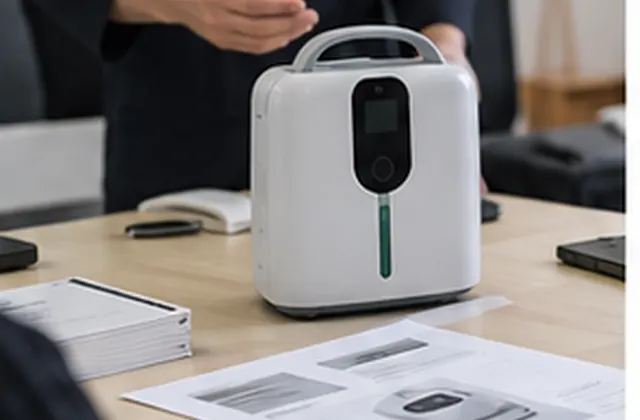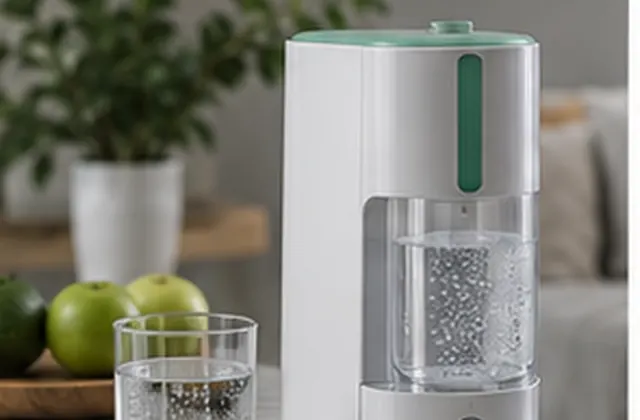



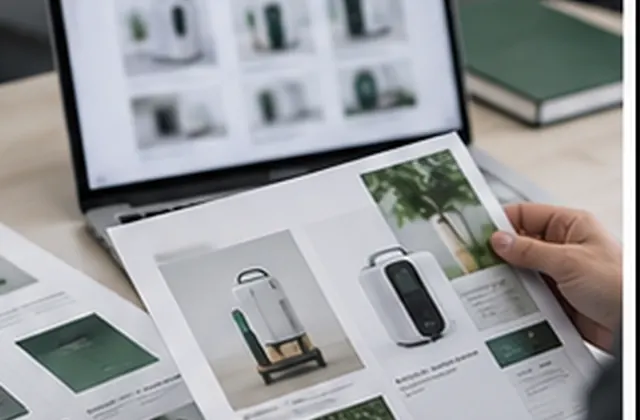
Prepare a confirmed product offer, reviewed sales materials, supply arrangements, and a support handover before launching an equipment range.
Procurement Guide — General launch planning guidance for distributors and brand teams, not a verified customer success story. Images are illustrative. Product availability, customization, documentation, and commercial terms require written confirmation for the selected model and order.
A channel launch needs more than a product image and a proposed selling price. Buyers need a clear offer, consistent product information, a confirmed supply scope, and a practical route for customer questions. Use this guide to organize those decisions before publishing a listing or accepting orders. It does not promise sales results, market approval, or a launch date.
Write a short launch brief identifying the destination market, intended buyer, sales channel, proposed model, quantity range, and target schedule. Separate your preferred launch date from any date confirmed by the supplier. Assign owners for product information, purchasing, content approval, and customer support.
Create a separate configuration record for each offer. Identify the device, power accessory, plug version, battery option where applicable, included accessories, document languages, and packaging. Ask the supplier to confirm feasibility, item references, and quantities rather than assuming everything shown in a photograph is included.
Keep an approved source folder for the product title, description, specification sheet, images, accessory list, manual, and buyer questions. Record the file revision and owner. Request permission and usage scope for supplied images and other assets before publishing them.
Confirm the quotation reference, currency, quantity assumptions, proposed lead time, shipping arrangement, and what costs are included or excluded. Distinguish stock confirmed for an order from a general availability statement. Do not publish a guaranteed dispatch date based only on a tentative supplier estimate.
Before launch, identify who receives customer inquiries and how model details, missing items, delivery issues, or technical questions are escalated. Request written clarification of the applicable warranty, returns, spare-part, and service arrangements. Do not invent a response time, replacement promise, or service entitlement that has not been agreed.
Record the model, channel, destination, launch owner, and review date. The table is a planning worksheet, not confirmation that a product or channel has been approved.
| Workstream | Evidence to collect | Decision to record |
|---|---|---|
| Model and offer | Model version, SKU mapping, included items | Confirmed configuration; open questions |
| Samples and specifications | Sample record and model-specific sources | Reviewed items; unverified requirements |
| Images and copy | Asset permissions, approved files, claim references | Reviewer, revision, publication scope |
| Packaging and language | Pack list, artwork, manual and translated copy | Approved revisions; missing files |
| Supply and pricing | Current quotation, quantities, shipping scope | Confirmed terms; provisional estimates |
| Customer support | Contacts, escalation path, agreed service scope | Owner; unresolved commitments |
| Channel release | Required reviews and outstanding issue log | Release, hold, or further review; decision date |
Use statuses such as Ready for agreed scope, Pending confirmation, Hold, or Not applicable. Assign an owner and next action to unresolved items. Internal launch readiness does not substitute for product verification or any separate market review.
Before publication, compare the final listing with the approved configuration and file set. Check the inquiry route, order handover information, and support contact details. Retain a dated record of the released offer. Reopen the review if the model, accessories, product claims, packaging, or commercial scope changes.
For a focused supplier discussion, send the target market, channel, model of interest, proposed bundles, quantity range, language needs, branding requests, and preferred timeline. Identify what must be confirmed before launch and ask which materials or options are available, require further review, or need a separate quotation.
Discuss your channel launch requirements or return to Buyer Guides & Use Cases.
AI support
NORYLUME can help match oxygen and hydrogen equipment by product line, quantity, destination market, certification needs, and OEM requirements.