


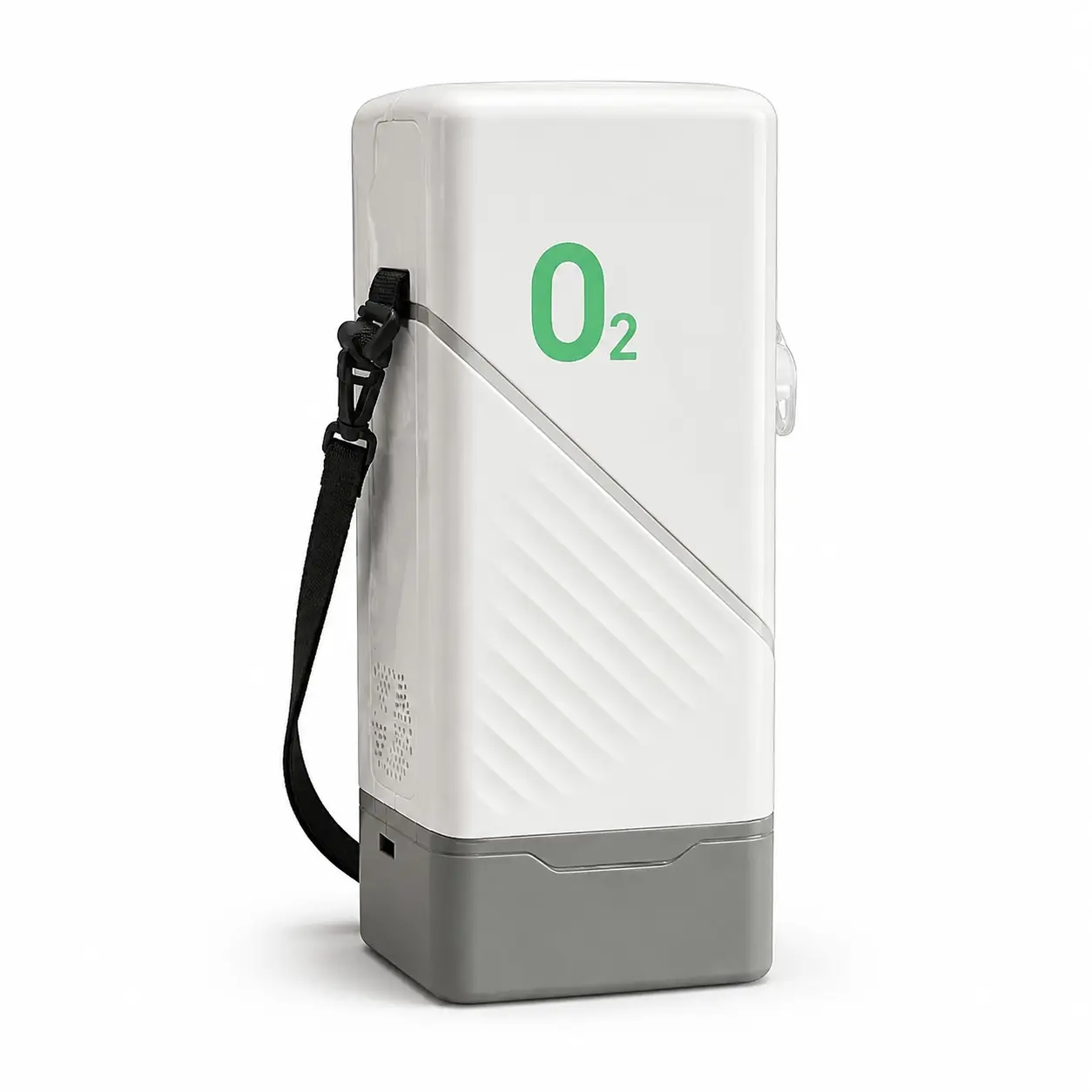
Compare portable oxygen equipment proposals through model-specific output documentation, battery conditions, included accessories, sample review scope, and service terms.
Buyer Guide — A purchasing checklist for comparing model documentation and order scope, not a prescription, clinical suitability assessment, operating guide, or confirmation of market authorization. Individual use and operating settings are outside the scope of this article.
Before requesting a portable oxygen concentrator quotation, prepare a comparison record that ties every specification to an exact model, configuration, and source. The aim is not to rank devices by the largest number. It is to establish what each supplier is offering, what supports the description, and what your reviewers still need to resolve.
Record the model reference, proposed quantity, destination, sales channel, and intended-use documentation required by your review team. Request the current specification sheet, manual, label photographs, and a list of included components. Ask whether the sample and bulk order will use the same configuration.
Separate a distributor’s catalogue review from approval for a particular person’s use. If the buying brief includes individual medical requirements, route those questions to the responsible qualified professional rather than selecting a model through this checklist.
Ask the supplier to identify the documented delivery mode, the meaning of each setting, and the units used for each output specification. Request the relevant manual or report references. Do not assume that the same setting number on two models describes the same output.
For the stated oxygen concentration range and other performance figures, ask which operating conditions, settings, and configuration the evidence covers. Keep qualifications beside the value instead of copying a headline number alone. Mark an unexplained unit or missing condition as a question for technical review.
Request the battery reference and quantity included in each quotation. For any runtime statement, ask which battery configuration, operating setting, test conditions, and source support it. Keep the supplier’s stated range or qualification intact; do not turn a maximum figure into a promise for every use.
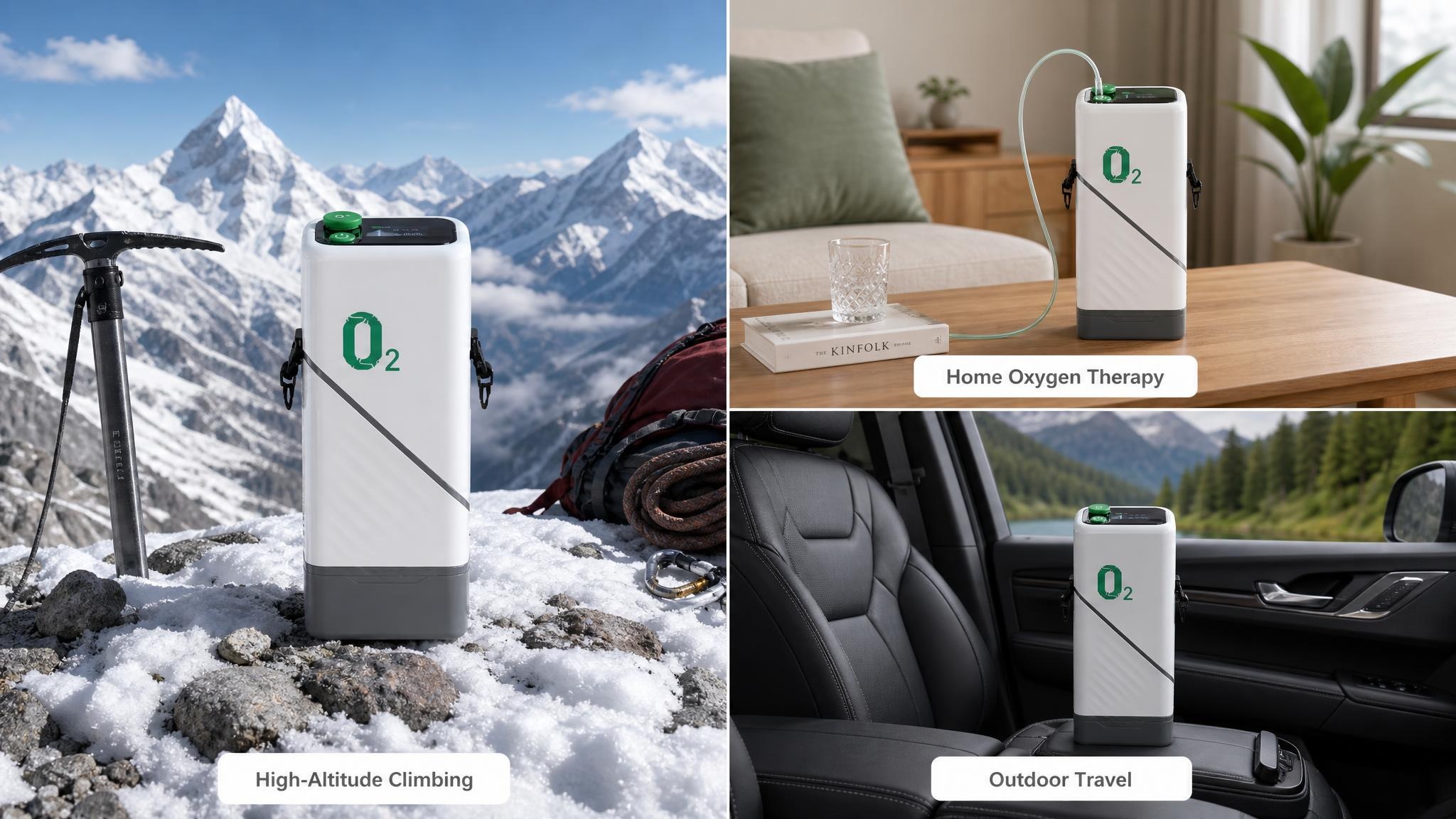
Confirm the included charger, power adapter, plug option, and any separately quoted charging accessories. Ask for the applicable charging instructions, replacement-battery availability, and compatibility references. If transport or travel use is part of the buying brief, request a separate review of the exact model, battery, route, and carrier requirements before publishing related claims.
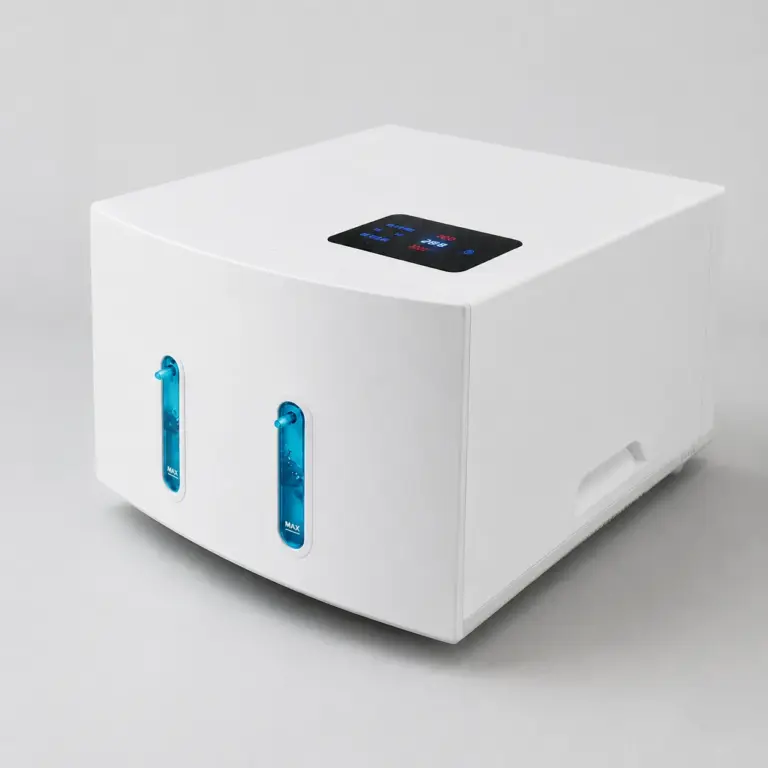
Ask whether the stated weight includes the quoted battery, carrying case, and other accessories. Keep device dimensions distinct from packed-carton dimensions. Request photographs or a sample of the proposed carrying arrangement instead of assuming that every item shown in promotional imagery is included.
For a noise figure, request the unit, measurement conditions, operating setting, and source. If these details are absent or differ between proposals, leave the comparison unresolved. Keep a reviewer’s handling observations separate from verified performance statements and personal suitability decisions.
Ask for the model-specific instructions covering alerts, operating limits, cleaning, storage, and maintenance. Identify the components supplied with the order, any proposed replacement items, and which tasks are assigned to users or designated service personnel. Use these documents for review rather than creating your own operating or repair instructions.
Confirm the written service terms, reporting contact, required issue records, cost responsibilities, and authorization process for returns or other proposed resolutions. Request current part references and availability where relevant. Do not infer free replacement, local repair coverage, or a guaranteed response time from a general statement that support is available.
Agree on the sample review scope before delivery. Match the received model, labels, accessories, packaging, and manual to the agreed list. Record the reviewer, date, observations, and unresolved items. Refer technical testing to the responsible reviewer and an agreed procedure; this article supplies no test protocol.
Request supporting documents relevant to the exact model and proposed destination, with their scope, issuing details, and revisions available for review. Do not treat a document for another model, a logo, or a successful packaging check as complete approval to market the product.
Suppose one proposal states a runtime without identifying the battery or setting, while another includes both details and a supporting reference. Record the first as awaiting clarification and the second as ready for the relevant review. That distinction does not establish that either device is suitable for an individual or that one model performs better.
This is a hypothetical procurement example, not a comparison of actual NORYLUME models, a customer result, or a performance guarantee.
Discuss your portable oxygen equipment purchasing requirements or explore Buyer Guides & Use Cases.
AI support
NORYLUME can help match oxygen and hydrogen equipment by product line, quantity, destination market, certification needs, and OEM requirements.