


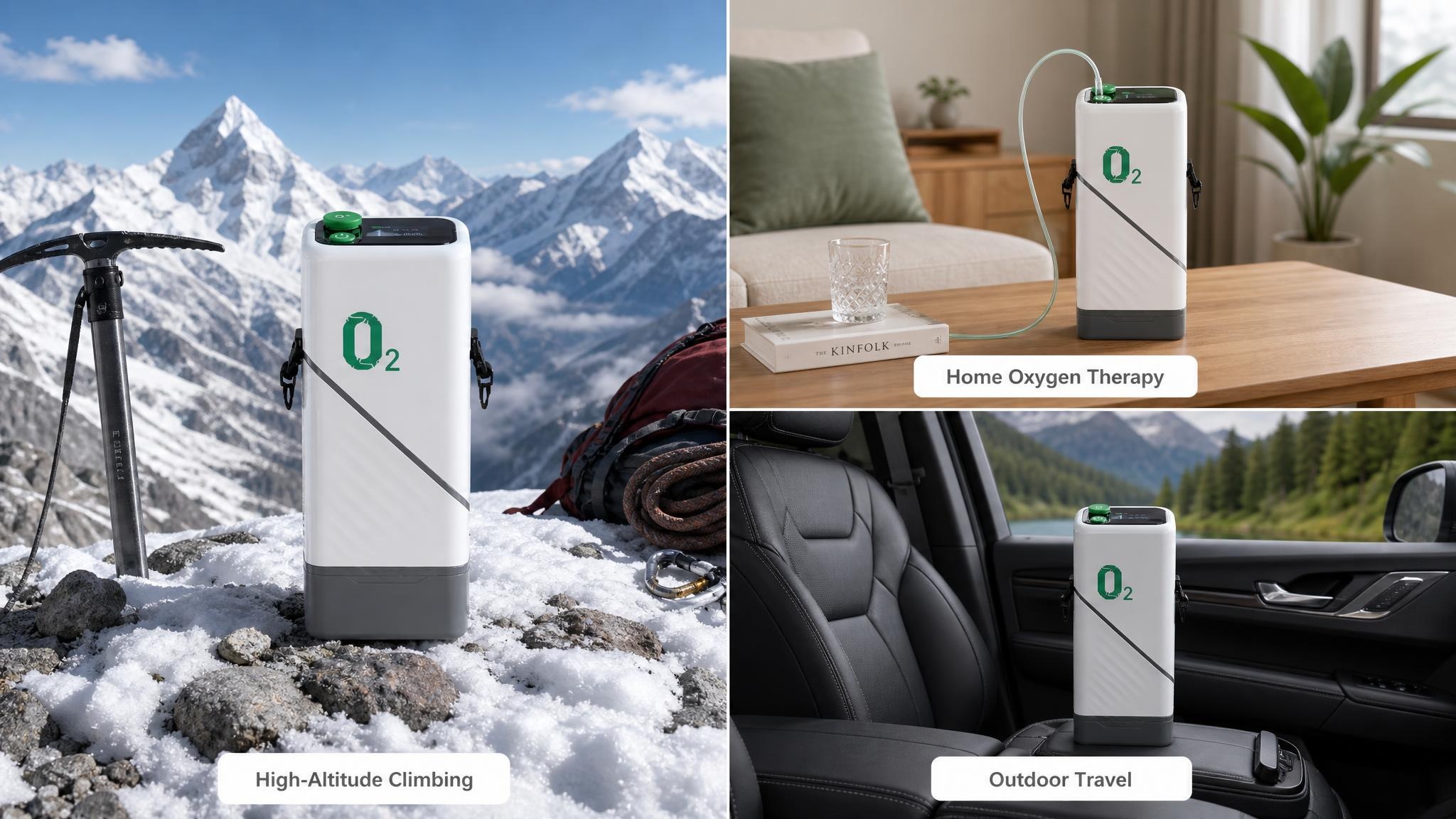
Compare product-line readiness through customer inquiries, model-specific evidence, channel preparation, service capacity, and a clearly scoped first project.
Buyer Guide — A framework for comparing catalogue projects, not a clinical comparison, health recommendation, or confirmation that a product may be sold in a particular market. Evaluate each model and its proposed use separately; do not present the two product categories as substitutes.
Choosing which product line to investigate first starts with your channel, not a headline specification. What are customers actually requesting? Which documents can your team review? Who will handle product questions after delivery? Build a separate brief for each candidate range before deciding where to spend time on samples, packaging, and launch preparation.
Describe the intended buyer, destination, sales channel, and proposed use in plain language. Distinguish recorded customer inquiries from assumptions about demand. Keep the source and date of each observation so your team can revisit it.
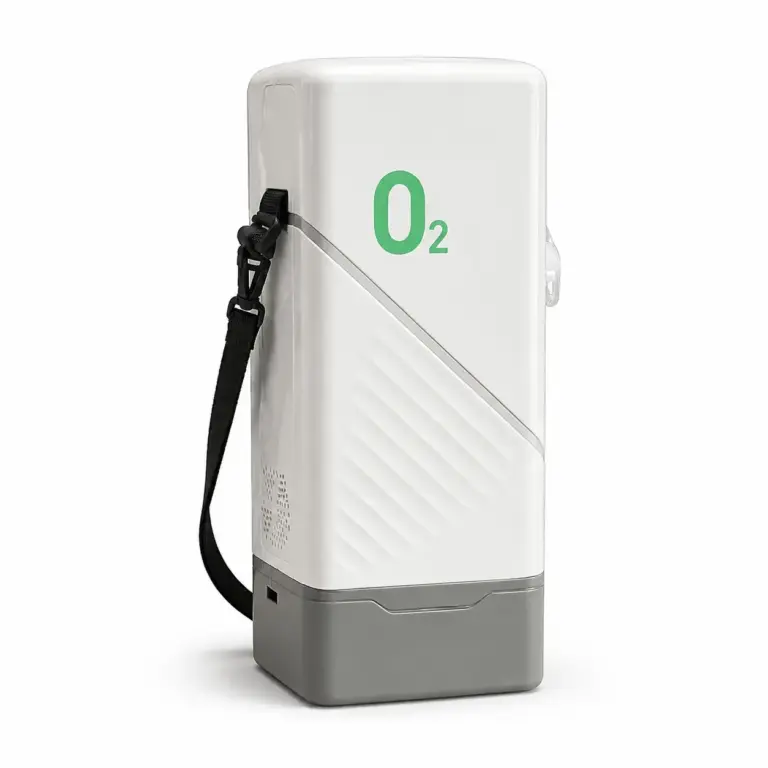
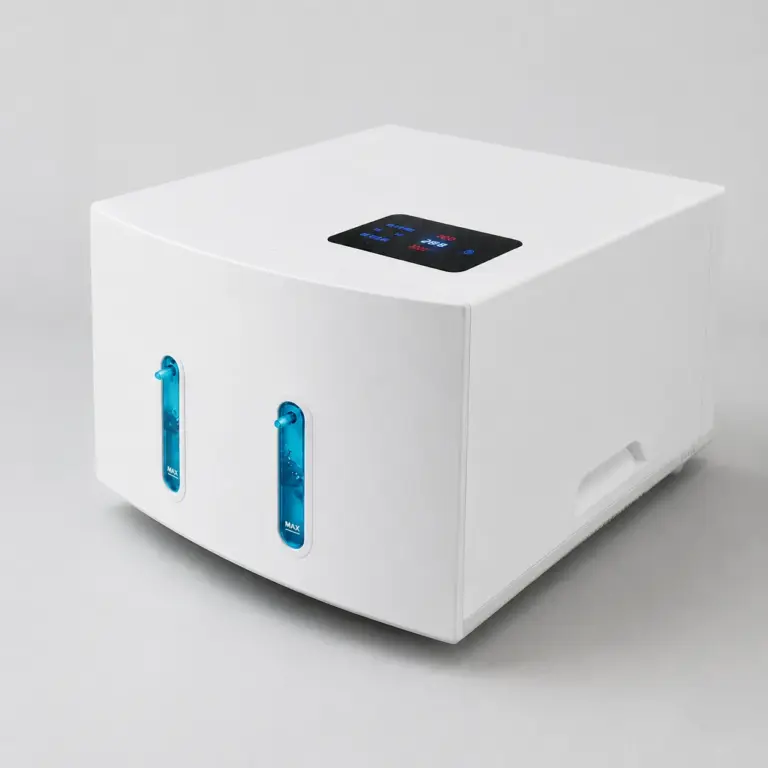
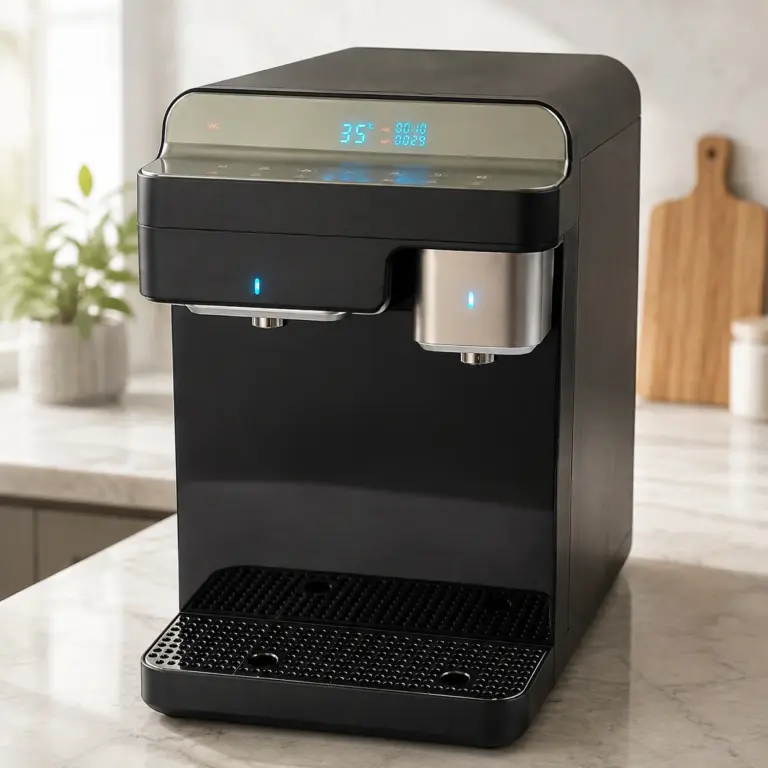
For an oxygen concentrator proposal, identify the exact model and the intended-use documentation your reviewers need. For a hydrogen device proposal, specify the device type rather than treating water devices and other equipment as one interchangeable range. Neither a category label nor the word “wellness” should replace model-specific review.
Request the current specification sheet, manual, product and label photographs, accessory list, and relevant supporting documents. Connect each file to a model and revision. Ask the responsible reviewer to identify what is still needed for the proposed destination and sales channel before making a launch decision.
Compare how complete and reviewable these files are, not which category has the larger headline number. This guide does not establish technical acceptance criteria or determine market authorization.
Draft a short product description using only supported information. Ask whether your staff can identify the model, explain included items, locate the applicable instructions, and route questions to the right contact. List any training or translation work still required.
Keep product selection separate from individual health advice. Do not create treatment, prevention, recovery, or guaranteed wellbeing claims to make a range appear more attractive. Have proposed product wording and translations reviewed for the specific model and destination before publication.
The Dealer Training Material Preparation Guide can help organize source-backed answers and escalation contacts. A sales script should make uncertainty visible rather than turn an unanswered question into a promise.
Ask who receives reports, what information is required, and who can approve a return or other proposed resolution. Confirm the applicable written service scope, cost responsibilities, and available replacement items for each model.
Then review your own responsibilities: storing product records, responding in the customer’s language, tracking unresolved requests, and coordinating with the designated service contact. Mark unassigned tasks as open. Do not assume one product line is maintenance-free or easier to support simply because of its category.
Request a defined proposal for each shortlisted model, including sample arrangements, order quantity, packaging, accessories, delivery scope, and approval milestones. Keep quoted amounts, estimates, and unknown costs separate. Do not infer demand or profitability from a supplier’s unit price.
Choose the next review step rather than committing to a full catalogue at once. That might be a document clarification, a scoped sample evaluation, or a revised quotation. Set a review owner and a decision date, and record what must be resolved before expanding the project.
Suppose a distributor has recorded inquiries for an oxygen equipment model and has an internal reviewer available, but still needs the applicable service documents. Its next step could be to close that document gap before approving a sample review.
A retailer considering a hydrogen water model may have a proposed shelf position and packaging brief, but lack evidence for a performance statement in the draft listing. Its next step could be to request that evidence and revise the copy before considering publication.
These are hypothetical planning examples, not customer stories, sales results, or recommendations that either category is suitable for a particular business. Both projects may remain pending if important questions are unresolved.
Discuss your product-line review requirements or explore Buyer Guides & Use Cases.
AI support
NORYLUME can help match oxygen and hydrogen equipment by product line, quantity, destination market, certification needs, and OEM requirements.