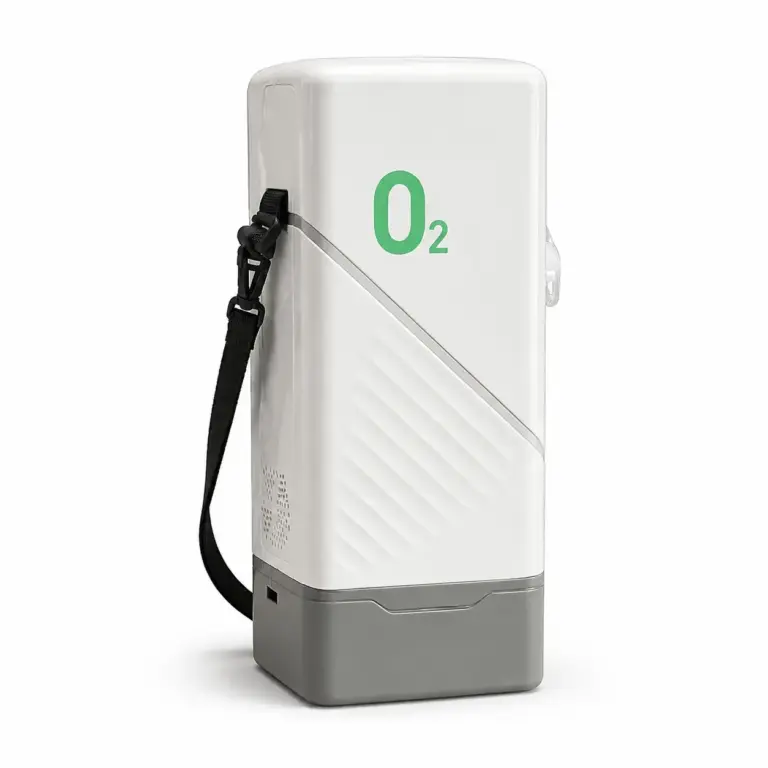




Prepare a clear equipment RFQ with model details, sample and order quantities, destination, packaging, delivery scope, and explicitly marked open questions.
Buyer Guide — Prepare a request for quotation (RFQ) that distinguishes your requirements from questions still open. An inquiry is not confirmation of availability, performance, market authorization, price, or delivery. Ask for a dated response tied to the proposed model and order scope.
You do not need every answer before contacting a supplier. A useful first inquiry explains what you know, what you are considering, and what you need the supplier to clarify. Use a separate line for each proposed model or configuration so different packages are not combined into an ambiguous request for a “best price.”
Include the model reference or product-page title when known. If you have not selected a model, describe the product category, proposed sales channel, and the documents your team needs for its review. State whether you are requesting initial options, a sample quotation, or a defined bulk-order proposal.
List important specifications with their units and source where available. Separate requirements from preferences, and mark uncertain details as “please confirm.” Do not copy a specification from another device and assume it describes an available configuration. Keep individual medical requirements outside a general commercial inquiry and route those questions to the responsible qualified professional.
State the requested sample quantity and the quantity you would like quoted for a possible first order. If you are comparing quantity options, identify each option separately. Label forecasts as estimates rather than confirmed purchasing commitments.
Ask the supplier to identify minimum quantities, sample availability, and any configuration-dependent conditions. A sample request should also say what your team intends to review, such as documentation, package contents, or a separately agreed technical evaluation.
Provide the destination country and city or delivery area needed for the initial proposal. Identify the requested power or plug configuration and manual language, or ask which options can be reviewed if these are not yet defined. Supply a full delivery address only when needed for the next agreed step.
Request model-specific specifications, instructions, label information, and relevant supporting documents for your reviewers. If you have an established documentation requirement, identify its source and scope rather than using a broad phrase such as “all certificates.” Keep the destination review separate from a supplier’s statement that documents are available.
List the accessories, batteries or chargers where applicable, manuals, and packaging items to include. Ask the supplier to distinguish standard contents from optional and separately priced items. Where you need alternatives, request separate quotation lines rather than a blended total.
For OEM work, describe the proposed branding, label languages, artwork status, and packaging changes. State which files are draft and which have been approved for a defined scope. Ask whether customization is available for the model and quantity; do not assume that a logo request includes new packaging, translated manuals, or other changes.
Distinguish your requested quotation date, sample review period, goods-ready milestone, and intended arrival date. Identify approvals that remain open. Ask the supplier what starts the proposed lead time and which dates are estimates.
Request a clear description of where delivery starts and ends, which transport stages are included, and which charges remain outside the proposal. If the shipping method is undecided, ask for separately described options. Avoid treating a goods-ready date as a confirmed arrival date.
Keep the response linked to your inquiry revision. If your quantity, accessory list, or packaging changes, request an updated proposal that identifies the new scope. Leave unanswered amounts and conditions marked as pending rather than treating them as zero or included.
The following example is fictional. Its quantities and destination are illustrative, not an actual order, an available offer, or a statement of minimum quantities.
Check that quantities, model references, and attachment revisions agree. Remove unrelated personal records, patient information, passwords, and other unnecessary sensitive data. Use a business contact for the response, and identify one person who can consolidate follow-up questions.
You can start with the known details and explicitly list the rest as pending. The goal is a clear next conversation, not a document that appears complete by hiding uncertainty.
Send your product or OEM inquiry or explore Buyer Guides & Use Cases.
AI support
NORYLUME can help match oxygen and hydrogen equipment by product line, quantity, destination market, certification needs, and OEM requirements.