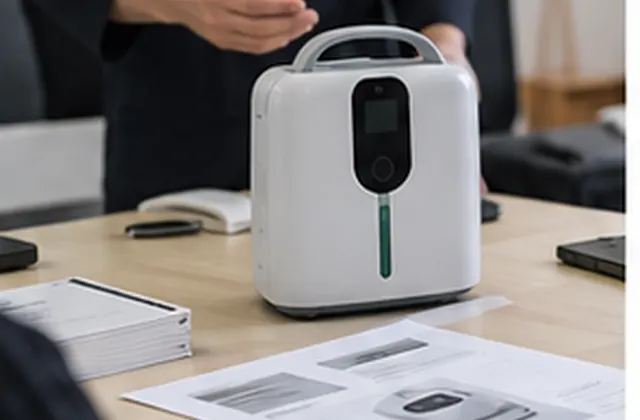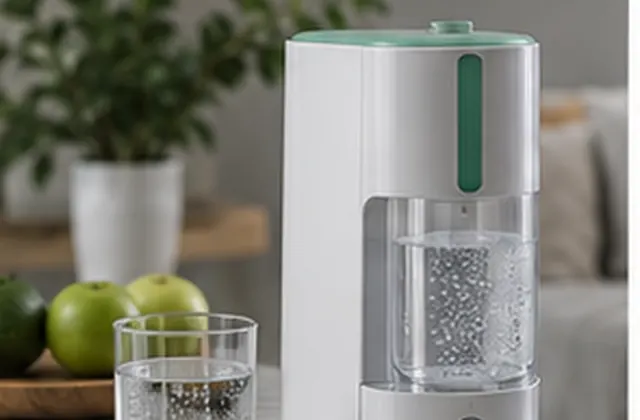




Organize model-specific sources, draft claims, translations, and review records before publishing equipment sales materials.
Procurement Guide — General editorial preparation for equipment buyers and distributors, not legal advice, a verified customer case study, or confirmation that a product may be sold in a particular market. Images are illustrative. Product-specific claims and destination requirements need appropriate professional review.
Before releasing a catalogue or product listing, collect the exact wording your team plans to use and connect it to the relevant model and source documents. This guide offers a practical review record: what is proposed, what information supports it, who will review it, and what remains unresolved. Completing the record is not regulatory approval.
Start with the model, configuration, destination, audience, language, and publication channel. Keep separate records for different products and markets. Include the product page, catalogue, packaging artwork, image captions, sales presentation, and any proposed distributor copy in your review list.
Copy each proposed statement into a review record. For specifications, request the matching document revision, units, configuration, and relevant measurement conditions. Do not transfer a figure from a similar-looking model or remove a qualification to make the sentence shorter.
Keep commercial statements separate from technical ones. For example, references to included accessories, available customization, dispatch timing, or warranty service should point to the relevant confirmed offer or agreement. Mark missing or conflicting information as pending rather than filling the gap with a confident phrase.
For the United States, the FTC’s Health Products Compliance Guidance addresses both express and implied claims and the evidence needed to support them. A review should consider the overall message, including imagery, rather than isolated sentences alone. Refer health-benefit and safety claims to qualified reviewers before publication.
Use regulatory terms precisely. The FDA explains that establishment registration and device listing do not mean approval, clearance, or authorization. See its explanation of registration and approval terminology. Do not convert a registration reference into a product-approval badge.
These are U.S. references, not a worldwide checklist or an assessment of any NORYLUME product. Ask your destination-market specialist to identify the applicable review and verify the exact product, intended use, document scope, and proposed wording. Keep unresolved statements out of the release draft.
Give the language reviewer the source text, model reference, terminology notes, and supporting documents. Ask them to flag changes in meaning, stronger wording, missing conditions, and inconsistent units. Keep an unchecked automatic translation labelled as a draft in the editorial workflow.
Review the actual page or artwork as well as the text file. Check that the photograph shows the intended configuration, optional items are identified, and illustrative scenes are not presented as verified customer results. Keep approval records for the reviewed language and layout, not just the original source copy.
Add the exact draft wording, source reference, reviewer, date, and next action to each applicable area below. The table is an editorial worksheet, not evidence of certification or permission to sell.
| Area | Source to collect | Review question |
|---|---|---|
| Specifications | Model-specific document and revision | Do values, units, and conditions match? |
| Health or safety wording | Proposed claim and supporting material | What specialist review is still needed? |
| Regulatory references | Exact record, product scope, and status | Does the wording describe the record accurately? |
| Commercial promises | Confirmed quotation or service agreement | Are conditions and exclusions preserved? |
| Images and captions | Asset source and configuration reference | Is the presentation accurate and illustrative use clear? |
| Translations | Source copy and reviewed language version | Has meaning changed or a condition disappeared? |
| Publication | Final page or artwork revision | Who reviewed it and what remains on hold? |
Use internal statuses such as Awaiting source, Specialist review needed, Revise, or Editorial review complete for stated scope. Do not label a completed internal checklist as regulatory approval.
Compare the final published material with the reviewed version. Retain the dated file set and distribute it to the relevant sales or distributor contacts. Reopen review when the model, configuration, supporting documents, market, translation, or claim changes.
For a supplier discussion, send the model, destination, language, draft wording, and a short list of missing documents or conflicting details. Ask which product information can be provided for review; do not treat receipt of a document as a legal opinion or publication authorization.
Discuss your product documentation requirements or return to Buyer Guides & Use Cases.
AI support
NORYLUME can help match oxygen and hydrogen equipment by product line, quantity, destination market, certification needs, and OEM requirements.