


Ask model-specific questions about intended use, output evidence, documented requirements, accessories, sample review, product wording, and support before ordering hydrogen equipment.
Buyer Questions — Use this article to prepare a model-specific purchasing inquiry. It is not an operating procedure, safety assessment, treatment recommendation, or confirmation of market authorization. Refer technical and intended-use questions to the responsible qualified reviewer and the applicable manufacturer documentation.
A quotation for “hydrogen equipment” leaves important details undefined. Before ordering a sample, ask the supplier to identify the exact device, explain its specifications, and list what the proposed package includes. Keep the answers attached to the model and quotation rather than borrowing information from a similar-looking product.
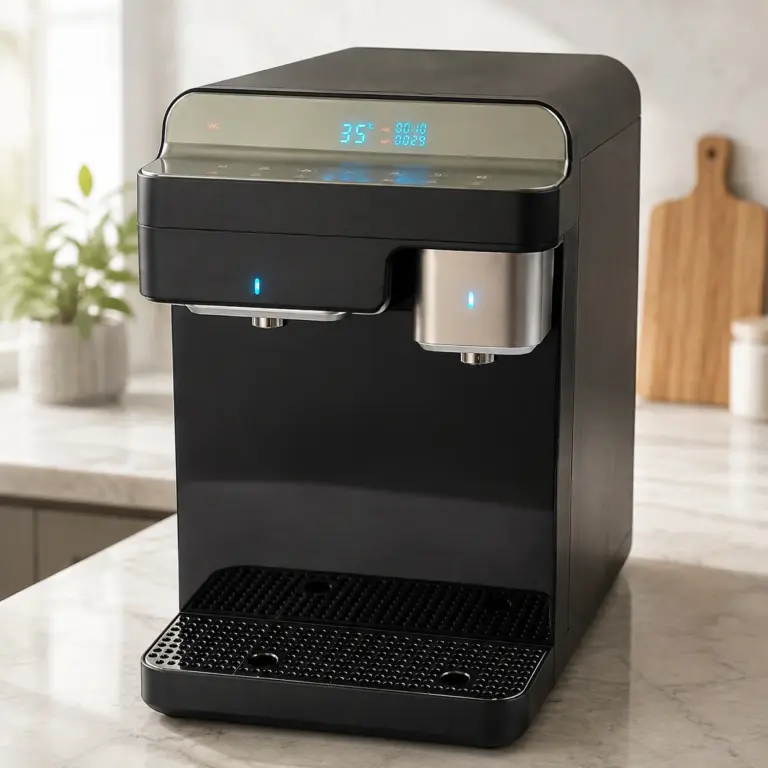
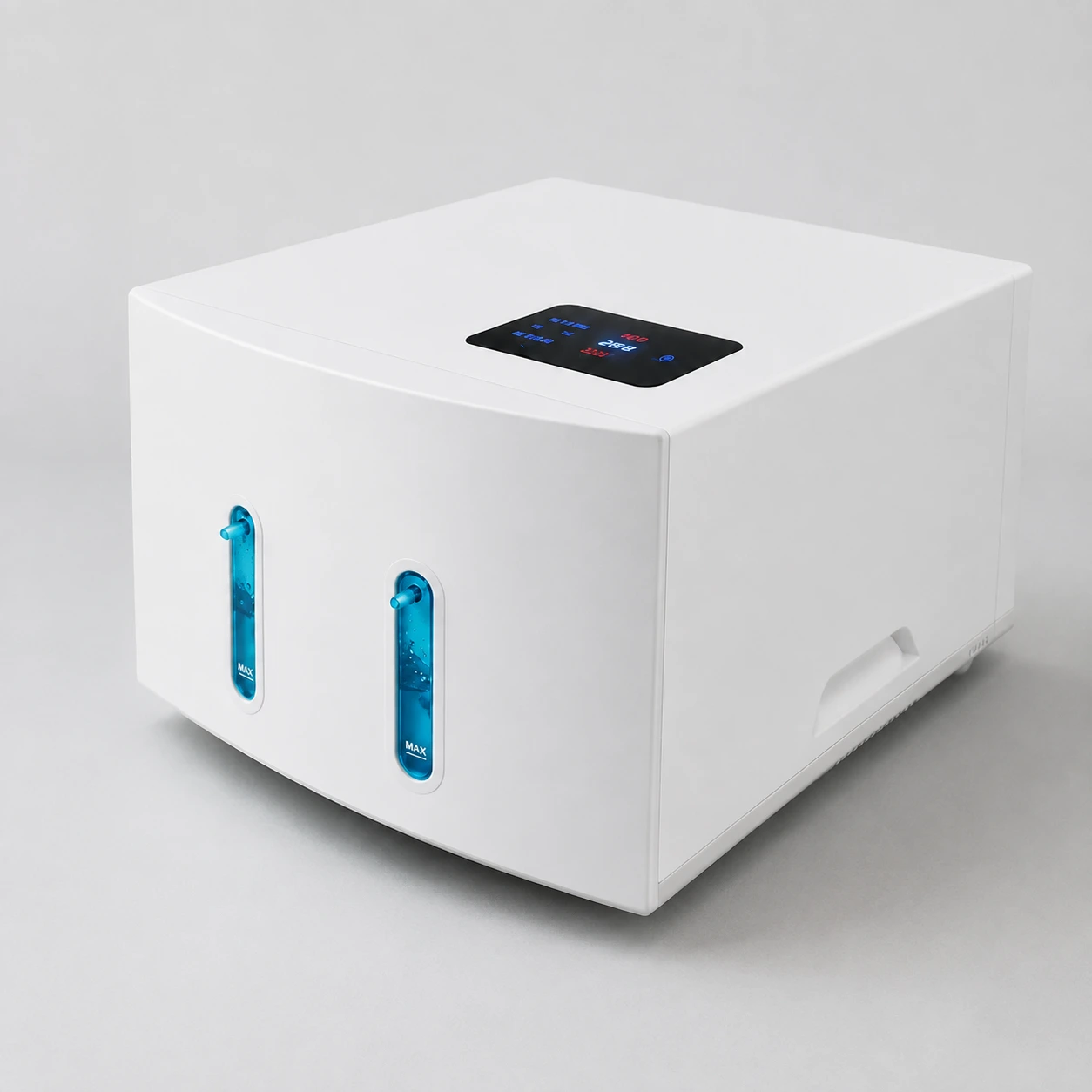
Request the model reference, specification revision, manual, label photographs, and manufacturer’s stated intended use. Identify whether the proposal concerns a gas-generation device, a hydrogen water device, or another configuration. Do not assume those descriptions refer to equivalent products or compatible applications.
Describe your destination and proposed sales channel so the responsible reviewer can identify the documentation needed. A category name or the word “wellness” is not a substitute for that review. This checklist does not establish whether a device is appropriate for an individual’s use.
Ask the supplier to define each parameter, its unit, and the point or configuration to which it applies. If a gas-output figure is quoted, request clarification of what gas or mixture the figure describes and the supporting document reference. Keep flow, composition, purity, and other stated parameters in separate fields rather than combining them into one performance claim.
Request the conditions, method, model identity, date, and issuing party recorded in the supporting evidence. Ask whether the value is a rated specification, a range, or a result from a particular test. If the basis differs between proposals, mark the comparison unresolved and refer it for technical review instead of ranking devices by the largest figure.
Request the manufacturer’s instructions covering input water where applicable, power supply, placement, environmental limits, warnings, and any installation or commissioning requirements. Ask who should review these requirements and whether a designated installer or service contact is needed for the proposed configuration.
If the supplier describes chambers, separation stages, outlets, or protective functions, ask for an explanation tied to the actual model and its documentation. Do not infer the device’s safety or permitted use from a diagram or promotional phrase. Keep unresolved safety questions as a reason to pause the operating evaluation; this article supplies no setup, modification, gas-handling, or exposure instructions.
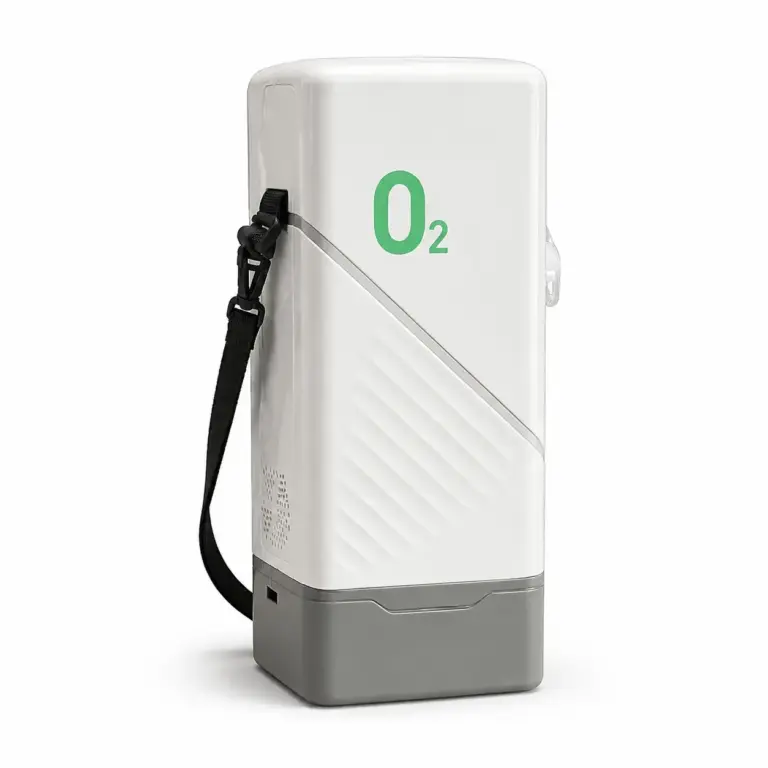
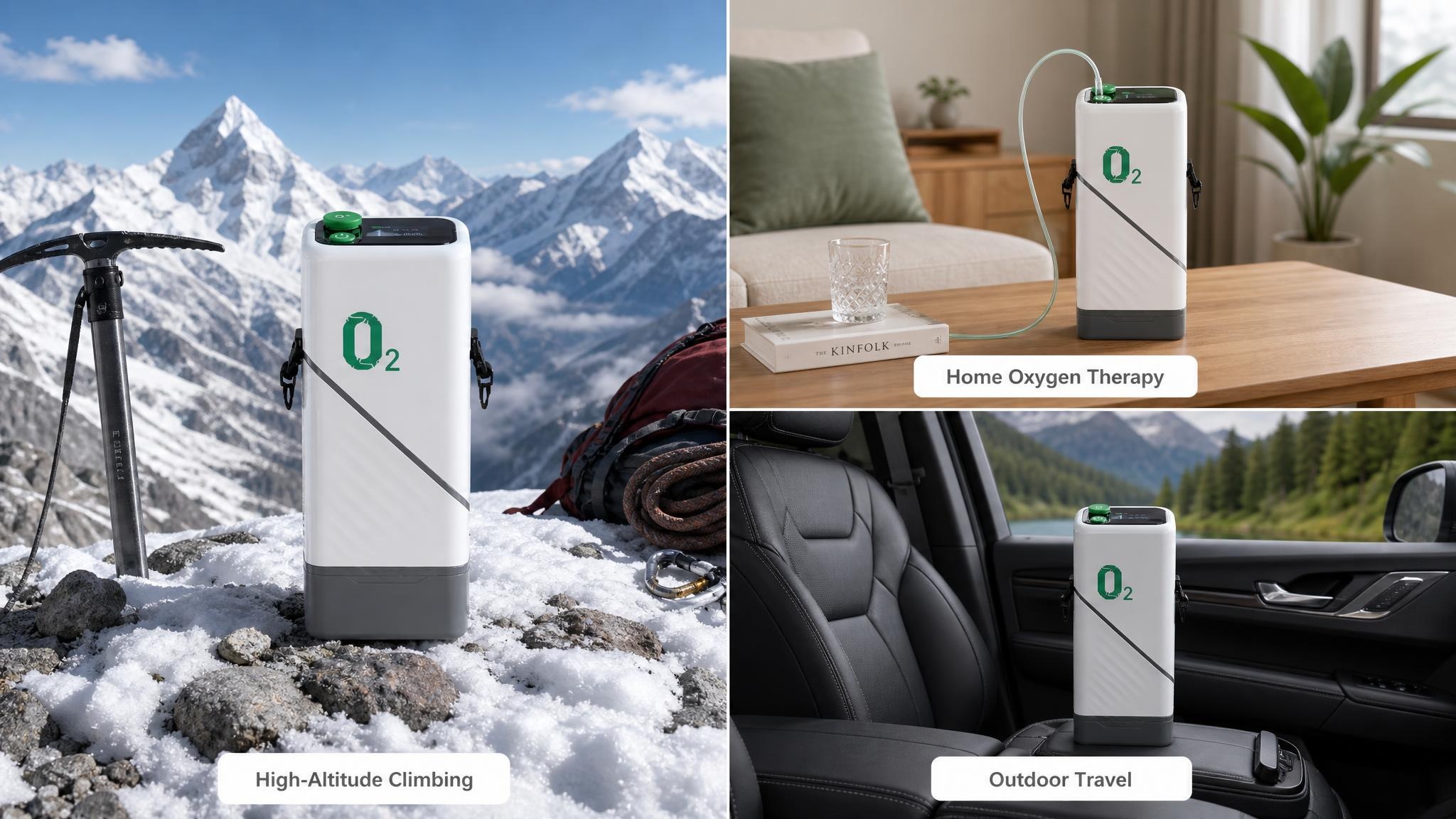
Ask for an itemized packing list with references, quantities, and compatibility information for each included component. Separate standard items, optional items, and proposed replacements. Confirm whether photographs show the actual quoted package or additional items supplied separately.
Request the applicable maintenance instructions and identify any consumables, replacement intervals or conditions stated by the manufacturer, and tasks reserved for designated personnel. Ask about current replacement-item availability and pricing without treating a parts quotation as permission to modify, connect, or repair equipment.
Agree on the sample configuration and review scope before shipment. On receipt, match the model, labels, accessories, packaging, and documents to the agreed list. Record discrepancies and route technical questions to the responsible reviewer before proceeding beyond the approved review scope.
Keep completeness and appearance checks separate from performance or safety assessment. A sample accepted for packaging review should not automatically be marked approved for every specification, use, or destination. Record the evidence, reviewer, date, and unresolved items for each decision.
Prepare product descriptions from the verified model information, included items, and reviewed source documents. Request the scope and issuing details of any supporting report or certificate proposed for use. Do not substitute a logo or a document for another model for a model-specific review.
Keep technical descriptions separate from health-benefit language. This article provides no basis for treatment, prevention, recovery, or guaranteed wellbeing claims. Have proposed wording, labels, and translations reviewed for the selected model and destination before publication; do not broaden a supplier’s qualified statement when shortening it for a catalogue.
Request a dated quotation identifying quantity, configuration, packaging revision, delivery scope, and approval milestones. Ask for the applicable written service terms, reporting contact, required issue records, return authorization process, and cost responsibilities.
Keep estimates distinct from commitments. Do not infer free replacement, local servicing, indefinite parts availability, or a guaranteed resolution time from the phrase “after-sales support.” Assign a contact and next action to each unresolved point before the order decision.
For example, a supplier might provide a complete accessory list while the basis for an output statement remains unclear. Record accessory scope as documented and the output statement as pending review. This is a hypothetical purchasing example, not a customer result or a claim about an actual NORYLUME model.
Discuss your hydrogen equipment purchasing requirements or explore Buyer Guides & Use Cases.
AI support
NORYLUME can help match oxygen and hydrogen equipment by product line, quantity, destination market, certification needs, and OEM requirements.