


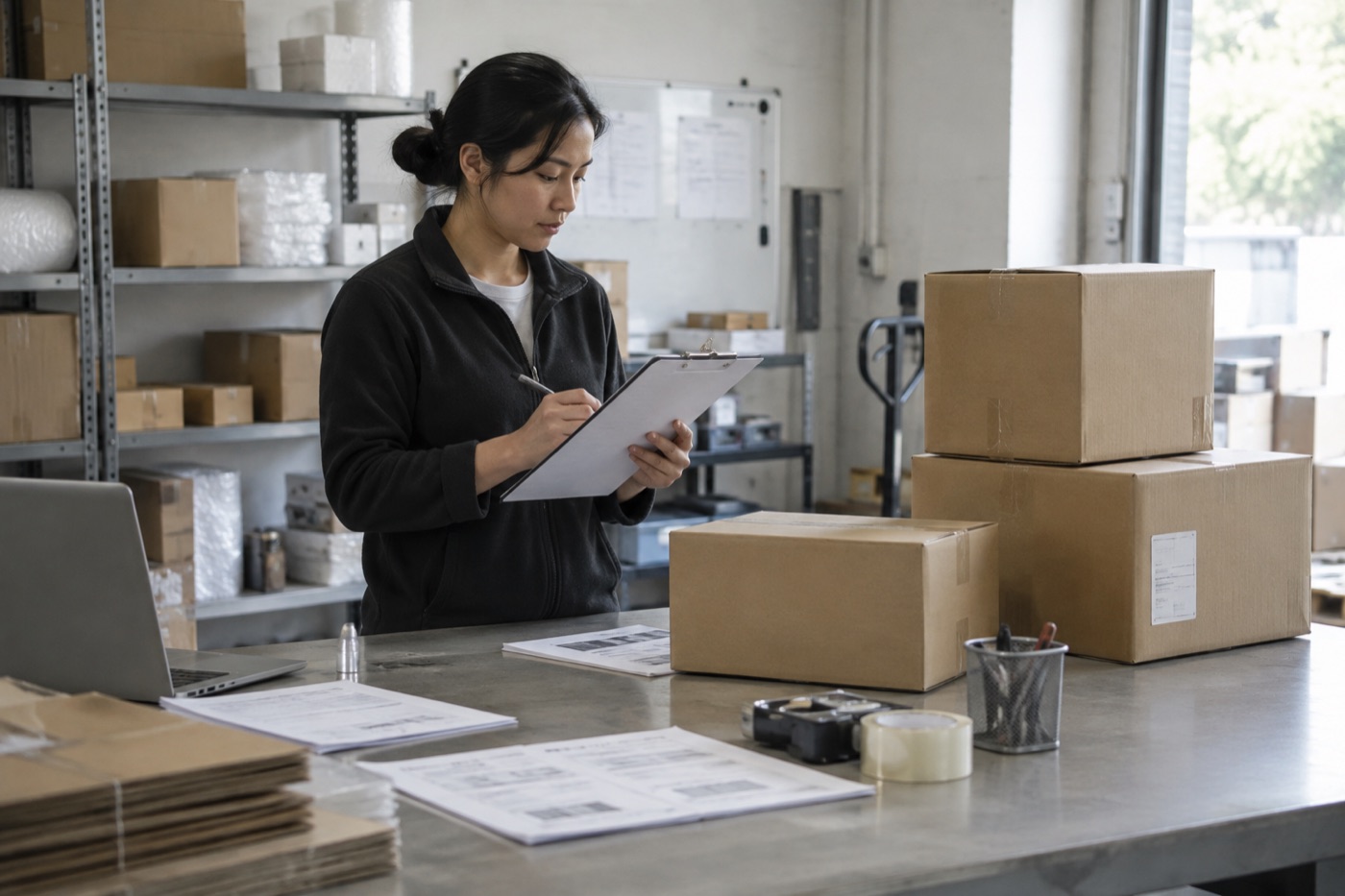
Prepare a controlled OEM packaging brief covering artwork, label review, translations, included components, carton details, and revision-specific approval.
Buyer Checklist — Prepare a model-specific packaging brief for quotation and review. This is not a packaging test protocol, label-compliance determination, or confirmation that a private-label configuration is available. Confirm the proposed scope with the supplier and the responsible reviewers before production.
An OEM packaging request needs more than a logo file. The supplier needs to know which model, accessories, languages, printed materials, and carton arrangement the artwork describes. Use one controlled brief so purchasing, design, and production teams can identify the same proposed package and the decisions still open.
Record the model, configuration, order quantity, destination, and proposed sales channel. Ask which elements can be customized and which need to remain in the manufacturer’s specified form. Separate the device label, retail box, protective inserts, shipping carton, manual, and promotional material into named items.
Request the current packaging drawing or template for the exact configuration, including dimensions and the areas available for artwork. Do not reuse another model’s layout without confirmation. Identify whether dimensions are preliminary or approved for the next review stage.
Provide the authorized logo artwork, requested placement, size, and color references in the format agreed with the supplier. Ask how the proposed printing method and material will be represented in the proof, and whether a physical sample is needed for the intended review.
Prepare a text list linked to each packaging item. Include the proposed model description, language versions, identification fields, and any handling or instruction references submitted for review. Ask the responsible reviewer to confirm what information is needed for the specific model and destination.
Do not remove or replace manufacturer-specified information simply to make room for branding. Keep technical statements tied to reviewed sources, and do not add unsupported health benefits or certification marks. Translation and layout approval should be recorded separately so approval of the visual design is not mistaken for approval of every statement.
If barcodes or QR codes are requested, identify who supplies their data and what each code should resolve to or identify. Include a scan check of the agreed proof or sample in the review scope, and confirm the destination content before approving a printed link.
Attach an itemized list of the device, accessories, manuals, and other agreed contents, with quantities and model references. Identify which items belong in the retail package and which are packed separately. Confirm that optional accessories shown in artwork are clearly distinguished from the supplied contents.
Ask the supplier to confirm the proposed protective arrangement for the actual configuration. Refer protection and transport assessment to the responsible reviewer and an agreed process; a photograph or attractive box layout is not the same as evidence of protective performance. Revisit the arrangement when an accessory or configuration changes.
Request the proposed units per carton, carton count, outer dimensions, gross weight, and pallet details where applicable. State which figures are estimates and which have been confirmed against the approved packing configuration. Keep the shipping marks linked to the corresponding order and packaging revision.
Ask for separately quoted design, printing, setup, sample, or packing work to be identified. Confirm minimum quantities, approval deadlines, and the effect of later changes on the quotation and schedule rather than assuming that every customization is included.
Before authorizing the agreed production step, record which files or physical samples were reviewed, by whom, and on which date. Separate artwork approval, language review, contents confirmation, and any packaging assessment. Keep unresolved items visible and identify who can authorize the next step.
For example, the logo position may be accepted while the manual translation and accessory insert remain pending. Record those as separate decisions rather than marking the whole package approved. This is a hypothetical review example, not an actual customer order or a statement about available customization.
If a file changes after approval, issue a new revision and request confirmation of which items require another review. Retain the previous record as superseded and obtain acknowledgment of the version intended for production.
Discuss your OEM packaging requirements or explore Buyer Guides & Use Cases.
AI support
NORYLUME can help match oxygen and hydrogen equipment by product line, quantity, destination market, certification needs, and OEM requirements.